History of Baking
About 10,000 years back, bread was invented during the Neolithic age. Stone was used for a variety of purposes at that time. For making bread flour, it was used in agriculture to dig up the soil, cut the crops, and grind the grain. This flour has been mixed with water and made into round flat cakes, baked in a fire on large flat rocks. It was the beginning of a tradition of making flatbreads as a side dish to other foods, which is still widespread in the world today. Wild yeast, which has been left out for a while, collects in the dough. It was the beginning of the fermentation of bread, and people learned how to handle the process over time.
In Greece, an enclosed bread oven, a little like our current pizza ovens, were built by 600 BC, which allowed for the manufacture of batches. However, rough blends, mostly barley and unprocessed flours, were used. It was expensive and rare to get wheat. The discovery of wheat and its gluten, which greatly improved the texture of bread, has changed food production in a way that at least made it possible to produce modern loaves. It changed everything when it was discovered that the fermented grains used to make beer produced yeast that could be harvested to make bread. The baking industry, although indigenous to the village or city, has been developed through a sustained supply of yeast so that consistent bread can be produced. As households did not have their own ovens to bake bread, bread making was an esteemed profession. In that case, the baker would often use the residual heat of the oven to cook meals for the villagers, charging a small fee for their services.
Baking in the Middle Ages
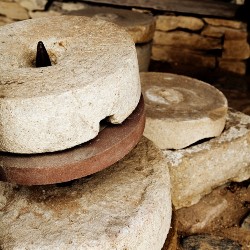
In the Middle Ages, bakers developed more sophisticated baked goods and the profession was controlled by guilds. The sale of baked goods was controlled, and standards were set. Bakers began purchasing flour from mills rather than grinding their own. Honey and dried fruit were added to make sweet bread and cakes were baked to celebrate religious holidays. The dense, rich Christmas cake, wedding cake and Easter cake came from here. Everything changed with the discovery of sugar. When the Europeans arrived in the Americas in the mid-14th century, they realized that sugar, which was in great demand in Europe, could be easily cultivated in the Caribbean Islands. With the availability of this sugar and cocoa to the wider world, there has been a development in the quality of baking. Sugar beets were grown for processing into sugar in the 18th century, and prices went down. It meant that sugar could be bought at home by people with means, and the chefs in private kitchens were beginning to make more sophisticated sweets.
By the 19th century, recipes were being developed and shared, and the modern cookbook was born. Cooks from private houses set up small bakeries and pastry shops, and ordinary people began to have stoves in their homes. This allowed for the control of temperatures, up to a point, and was a big step forward from open fire baking. Recipes began to develop and be shared in the 19th century, which led to the invention of the modern cookbook. Small bakeries and pastry shops had been set up by private cooks, and ordinary people began to own ovens in their homes. This made it possible to control the temperature, which was a huge improvement over open fire baking.
Modern Era Baking
The 20th century truly made a huge difference. The development of refrigeration, first for food producers, and then for the domestic market, allows for greater control over ingredients, storage, preservation, and more. Relative wealth, education, and travel changed attitudes toward food throughout the 20th century. Nothing prevented people from eating and cooking food that they had tasted in foreign lands. The technology available in homes around the world today is far more advanced than what was in high-end kitchens a century ago. The best cooks share their recipes, and anyone who wishes to cook can do it easily. The Internet makes it easy for anyone to find a professional chef, so no recipe is hard to find, but the ingredients can be costly and rarely available in certain places. The globalization of our world continues to change this.
Since baking is a delicate job, it requires a great deal of expertise and knowledge about different hygiene and science principles. In addition, the perfect baker must know people's tastes and traditions in all regions. You're not a perfect baker unless you know the likes and dislikes of others. That's why baking's called art. It isn't easy work, but those who love baking love their work. Making a variety of delicious baked goods, having people eat them, and receiving recognition is a fun experience. Today, baking relies on machines most of the time. The bakers in charge of the machine, and all other tasks are carried out by automatic machines. The baking process is made easier and more efficient by these high technology machines, which produces higher quality products.
Ingredients used in Baking
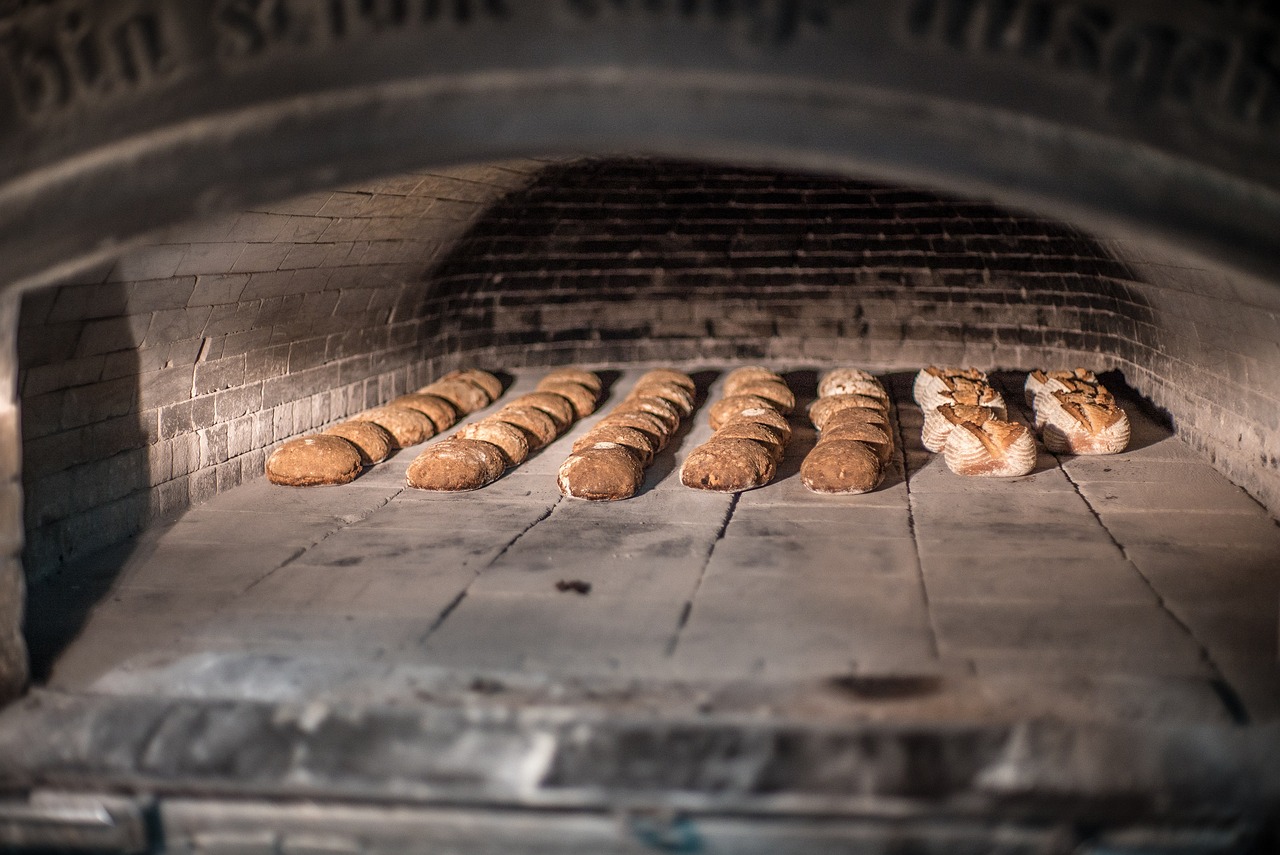
Wheat flour, which is mixed with water in the right proportions, forms an elastic network capable of absorbing gases and forming a solid structure when baked. The gluten content, genetic structure and milling treatment determine whether the flour is suitable for a given purpose. To promote vigorous gas evolution and maintain the acidity of the dough, baking soda can be added to leavened cakes, cookies and other bakery products. Baking powder is a mixture of soda and leavening acids, with carbon dioxide and salts as the end products. Most commercial baking powders are of the double-acting type, giving off a small amount of carbon dioxide during the mixing and makeup stages. Lard, beef fat, and hydrogenated vegetable oil are the most common fats used in bakery products. Butter is used as a texturizer and flavoring agent in some premium or specialty products, but its high cost prevents extensive use. The vegetable oils with the greatest use are cotton seed oil and soybean oil. The use of corn, peanuts and coconut oils is limited; fats originating from other ingredients such as egg yolks, chocolate or nut spreads may have a shortening effect if enough are present in the product.
Water is essential for doughs to be adaptable to the processing method, as it affects every aspect of the finished product. Commercial products usually contain milk in dried form and any moisture added to eggs or butter is normally minimal. In bakery products, egg whites and yolks play a crucial role. Yolks contain 50 % solids and 60 % fat, which have an impact on color, flavor or texture. There are 12% solids in egg whites, primarily protein, which are important for texturizing and foaming. They are essential for structure in meringues and angel food cakes, and layer cakes with egg products. Wheat flour contains about 1% sugar, mostly fermentable compounds like sucrose, maltose, glucose, and fructose. Glucose and sucrose are commonly added to doughs and batters, while yeast converts sucrose to fructose and glucose. Sugars not only sweeten the dough but also provide fermentable for yeast activity. Crust color development depends on the amount of reducing sugars, with a pale crust produced when sugars are depleted by yeast.
Calendar
Contact Me
Elements
Text
This is bold and this is strong. This is italic and this is emphasized.
This is superscript text and this is subscript text.
This is underlined and this is code: for (;;) { ... }. Finally, this is a link.
Heading Level 2
Heading Level 3
Heading Level 4
Heading Level 5
Heading Level 6
Blockquote
Fringilla nisl. Donec accumsan interdum nisi, quis tincidunt felis sagittis eget tempus euismod. Vestibulum ante ipsum primis in faucibus vestibulum. Blandit adipiscing eu felis iaculis volutpat ac adipiscing accumsan faucibus. Vestibulum ante ipsum primis in faucibus lorem ipsum dolor sit amet nullam adipiscing eu felis.
Preformatted
i = 0;

while (!deck.isInOrder()) {
    print 'Iteration ' + i;
    deck.shuffle();
    i++;
}

print 'It took ' + i + ' iterations to sort the deck.';
Lists
Unordered
- Dolor pulvinar etiam.
- Sagittis adipiscing.
- Felis enim feugiat.
Alternate
- Dolor pulvinar etiam.
- Sagittis adipiscing.
- Felis enim feugiat.
Ordered
- Dolor pulvinar etiam.
- Etiam vel felis viverra.
- Felis enim feugiat.
- Dolor pulvinar etiam.
- Etiam vel felis lorem.
- Felis enim et feugiat.
Icons
Actions