Baking in the Middle Ages
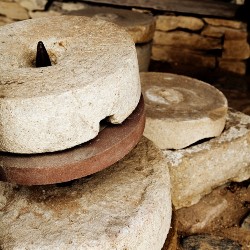
In the Middle Ages, bakers developed more sophisticated baked goods and the profession was controlled by guilds. The sale of baked goods was controlled, and standards were set. Bakers began purchasing flour from mills rather than grinding their own. Honey and dried fruit were added to make sweet bread and cakes were baked to celebrate religious holidays. The dense, rich Christmas cake, wedding cake and Easter cake came from here. Everything changed with the discovery of sugar. When the Europeans arrived in the Americas in the mid-14th century, they realized that sugar, which was in great demand in Europe, could be easily cultivated in the Caribbean Islands. With the availability of this sugar and cocoa to the wider world, there has been a development in the quality of baking. Sugar beets were grown for processing into sugar in the 18th century, and prices went down. It meant that sugar could be bought at home by people with means, and the chefs in private kitchens were beginning to make more sophisticated sweets.
By the 19th century, recipes were being developed and shared, and the modern cookbook was born. Cooks from private houses set up small bakeries and pastry shops, and ordinary people began to have stoves in their homes. This allowed for the control of temperatures, up to a point, and was a big step forward from open fire baking. Recipes began to develop and be shared in the 19th century, which led to the invention of the modern cookbook. Small bakeries and pastry shops had been set up by private cooks, and ordinary people began to own ovens in their homes. This made it possible to control the temperature, which was a huge improvement over open fire baking.