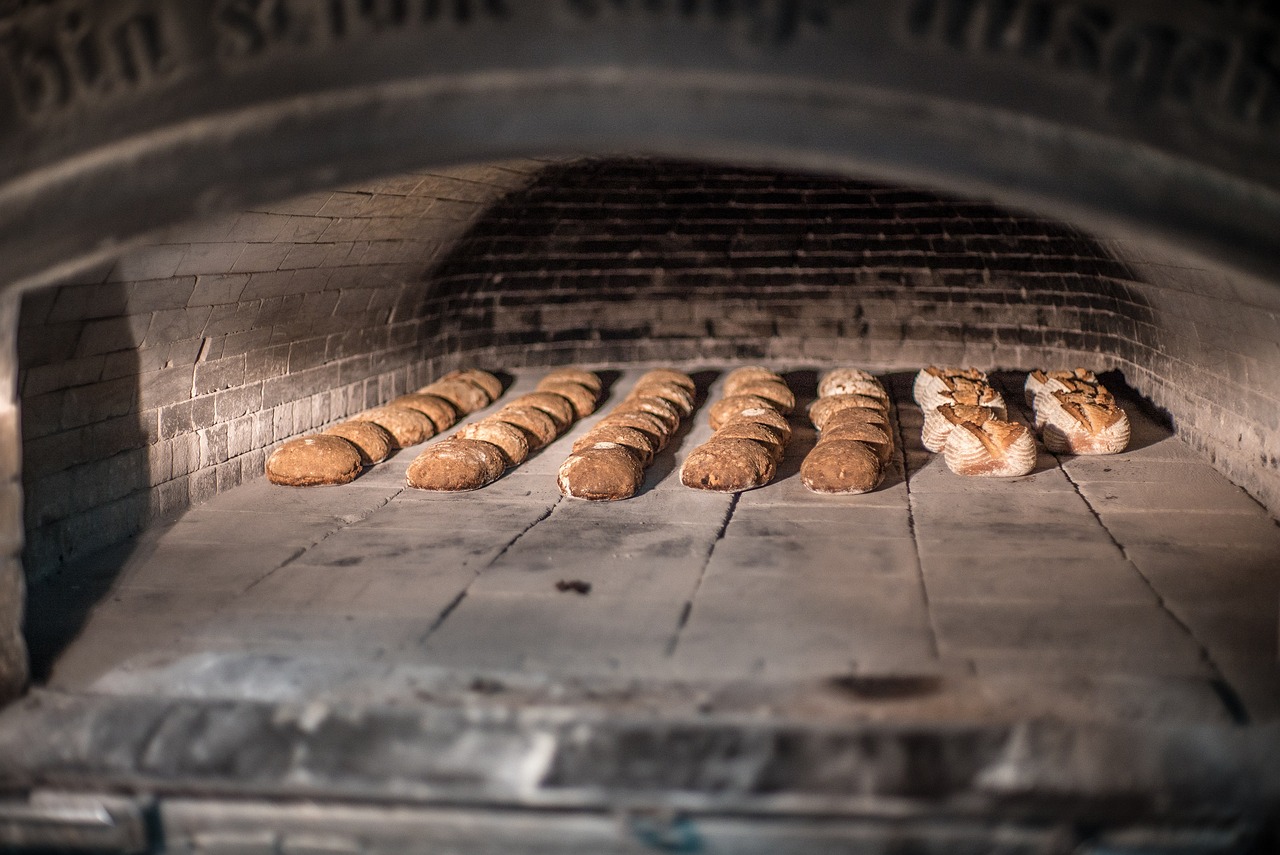
Some of the ingredients used in Baking
Wheat flour, which is mixed with water in the right proportions, forms an elastic network capable of absorbing gases and forming a solid structure when baked. The gluten content, genetic structure and milling treatment determine whether the flour is suitable for a given purpose. To promote vigorous gas evolution and maintain the acidity of the dough, baking soda can be added to leavened cakes, cookies and other bakery products. Baking powder is a mixture of soda and leavening acids, with carbon dioxide and salts as the end products. Most commercial baking powders are of the double-acting type, giving off a small amount of carbon dioxide during the mixing and makeup stages. Lard, beef fat, and hydrogenated vegetable oil are the most common fats used in bakery products. Butter is used as a texturizer and flavoring agent in some premium or specialty products, but its high cost prevents extensive use. The vegetable oils with the greatest use are cotton seed oil and soybean oil. The use of corn, peanuts and coconut oils is limited; fats originating from other ingredients such as egg yolks, chocolate or nut spreads may have a shortening effect if enough are present in the product.
Water is essential for doughs to be adaptable to the processing method, as it affects every aspect of the finished product. Commercial products usually contain milk in dried form and any moisture added to eggs or butter is normally minimal. In bakery products, egg whites and yolks play a crucial role. Yolks contain 50 % solids and 60 % fat, which have an impact on color, flavor or texture. There are 12% solids in egg whites, primarily protein, which are important for texturizing and foaming. They are essential for structure in meringues and angel food cakes, and layer cakes with egg products. Wheat flour contains about 1% sugar, mostly fermentable compounds like sucrose, maltose, glucose, and fructose. Glucose and sucrose are commonly added to doughs and batters, while yeast converts sucrose to fructose and glucose. Sugars not only sweeten the dough but also provide fermentable for yeast activity. Crust color development depends on the amount of reducing sugars, with a pale crust produced when sugars are depleted by yeast.